Read Aloud is one of the most important parts of the school day. For one, it is joyful-there is nothing like sharing a story as a community. Secondly, it is a time in the school day that supports growing readers in so many ways. For readers in Grades 2-5, read aloud can do so much to support growing readers in understanding the complexities in text.
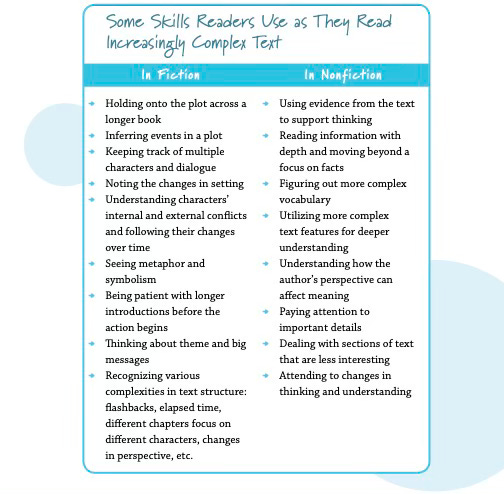
When we wrote In Community With Readers: Transforming Reading Instruction with Read Alouds and Minilessons, we identified several skill that are important as children move from picture books that you can read in one sitting to chapter books. This list is in no way comprehensive, but it does help us think about the experiences children need with text as they become more independent with complex texts.
So, I am always reading with an eye toward read aloud, asking myself, “How can this book support readers, especially those who are new or semi-new to longer chapter books?” When I am reading with this lens, I know I want some features that may be new to readers, but I don’t want a read aloud that is so complex that I have to do the thinking for readers. I’m always looking for a book that can become a really good scaffold for growth and with many access points for the variety of readers in a classroom. This summer I found a book that I think is a perfect read aloud for grades 3 and 4—Growing Home by Beth Ferry, with art from The Fan Brothers.
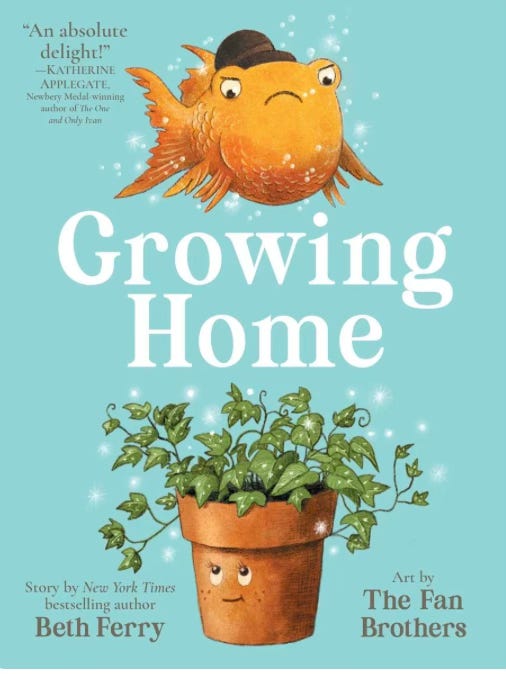
I picked the book up because I love everything I’ve read by The Fan Brothers. But I had no idea what to expect. This book is the perfect illustrated chapter book and I found so many reasons it would make a great read aloud as I read. It has:
- a plot that is accessible to young readers
- an accessible theme
- strong characters
- endpapers worth talking about
- a dedication that adds meaning
- a Prologue, which might be a new feature for middle grade readers
- Back Matter: “Letters from Toasty”, which adds a bit to understanding the character
- Foreshadowing that is accessible
I like that the book is an accessible fantasy. So many middle grade readers love fantasy adn this one is anchored in realism so the setting (a home) is not one they have to imagine.
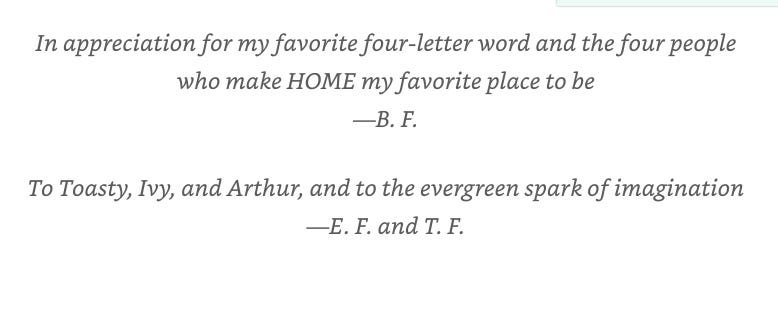
I like the dedication page for several reasons. Readers often skip these, but when we teach kids that the author often gives clues about the theme, etc. in the dedication, it adds some depth to the reading. These dedications will definitely give readers some angles to think about through the story.
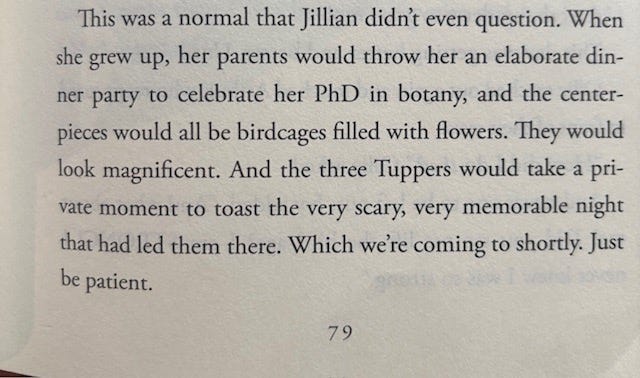
I also love what the author does with foreshadowing. Foreshadowing is such a common literacy technique but often young readers miss the foreshadowing. Luckily, in this book, the author adds a bit to make the foreshadowing a bit accessible. She adds a sentence after the foreshadowing in case readers missed it. She writes, “We’re coming to that shortly. Just be patient.”
I think Growing Home is a book middle grade readers will LOVE and one that will help them grow as readers. The characters are fabulous, the theme is accessible and there is so much to talk about as you read. And for readers who don’t know this author or these illustrators, this book is a great introduction that might inspire them to read more of their work. Enjoy!

